


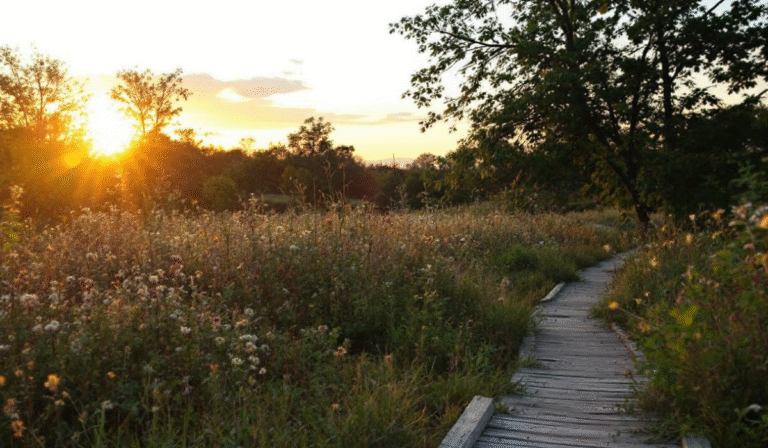
It has always been a city of ambition. But the new lifestyles taking root across Houston suggest something deeper is happening — a quiet, collective reimagining of what it means to live well.
There is a particular energy to Houston that is difficult to name precisely. It is not the restless churn of New York or the sun-bleached ease of Los Angeles. It is something more deliberate — a city that has always known what it wants and has never been shy about going after it. The fourth-largest city in the United States, home to over 2.3 million people and one of the most genuinely diverse urban populations on the planet, Houston has long been a place where ambition and reinvention feel native rather than aspirational.
What is happening now, though, goes beyond the economic and industrial transformation the city is already known for. The new lifestyles emerging across Houston’s neighbourhoods — in its yoga studios and urban farms, its experimental dining rooms and electric vehicle lanes, its art crawls and hybrid workspaces — suggest a city in the middle of something more personal. A renegotiation, quietly underway across communities and demographics, of what a good life in this city actually looks like.
Wellness, Reimagined from the Ground Up
Houston’s relationship with fitness and wellbeing has undergone a transformation that anyone paying attention over the last five years will have noticed. The shift is not simply toward more gyms or more options — it is toward a fundamentally different philosophy about what wellness means.
The boutique studio culture that has taken hold across the city reflects this. Places like Revolution Studio and Black Swan Yoga are not selling the punishing, metrics-obsessed fitness culture that defined the previous decade. They are offering something more considered: inclusive, personalised programmes that treat the body and mind as a connected system rather than separate problems to be optimised. Outdoor spin classes held in Houston’s green spaces, sunlit yoga sessions that blur the line between exercise and meditation — these are not novelties. They are expressions of a broader appetite for movement that feels meaningful rather than merely efficient.
The mental health dimension of this shift is equally significant. Meditation studios are no longer niche. Mindful Houston and similar spaces draw professionals who would once have considered such things peripheral to their real lives, and now consider them essential to managing them. The cultural permission to prioritise mental clarity — to treat it with the same seriousness as physical fitness — is one of the more important changes visible in the new lifestyles shaping Houston’s social fabric.
Underpinning all of it is a growing commitment to what goes in the body as well as what is asked of it. The farm-to-fork movement, anchored by farmers’ markets like Urban Harvest and a network of local producers bringing organic, seasonal food directly to consumers, has moved from the margins of Houston’s food culture to something close to the mainstream. Eating well, in this city, is increasingly understood not as an indulgence but as an extension of the same values driving everything else.
Going Green in an Oil City
The irony is not lost on anyone. Houston built its identity — and much of its wealth — on the oil and gas industry. And yet the city is now home to some of the most energetic green living communities in the American South. The apparent contradiction resolves itself when you understand Houston as a city that has always been pragmatic about change: when the direction shifts, it shifts with genuine commitment.
Urban gardening is one of the most visible expressions of this. Initiatives like Plant It Forward have created networks of community gardens across the city, connecting residents to the land and to each other in ways that feel genuinely countercultural against Houston’s industrial backdrop. These are not hobby plots. They are functional growing spaces producing real food and building real community around the act of cultivating it.
Sustainable housing has moved from aspiration to expectation in large parts of the market. Developers across the city are integrating solar power, rainwater harvesting, and energy-efficient design not as premium add-ons but as baseline features for buyers who have made environmental performance part of how they evaluate a home. The demand is there, and the supply is following.
Mobility is changing too. In neighbourhoods like Midtown and Montrose — already among the most lifestyle-forward in the city — electric vehicles and bicycles have become genuinely common rather than conspicuous. The Houston BCycle programme, a citywide bike-share initiative, has made the choice to leave the car behind a practical one rather than a sacrifice. These are small changes, individually. Collectively, they represent one of the most significant cultural shifts visible in the new lifestyles taking hold across Houston.
A Food Scene That Has Grown Up
Houston has always had a serious food culture. What has changed is the ambition and the experimentation — a willingness to push further, to take more risks, to treat dining as an experience rather than a transaction.
The culinary crossover happening in kitchens across the city is one of the most exciting expressions of Houston’s diversity finding its way onto the plate. Chefs like Chris Shepherd have made Tex-Mex-Asian fusions that draw on the city’s extraordinary multicultural population — not as a novelty, but as a natural and honest expression of where Houston actually is and who actually lives here. The result has put the city on the global culinary map in a way that feels earned rather than manufactured.
Pop-up dining has added another dimension. Seasonal events — intimate dinners held in orchards, collaborative meals that bring together chefs from different traditions, experiences designed around a specific ingredient or idea — have created a dining culture with genuine texture. These are not just meals. They are the kind of evenings people talk about afterward.
For those who want to bring this energy home, cooking schools like Well Done Cooking Classes are filling a genuine appetite for skill — teaching French patisserie, cocktail crafting, fermentation, bread-making — and finding that Houstonians are ready and eager to learn. The kitchen, for a growing number of residents, has become a site of genuine creative engagement rather than a practical necessity to be minimised.
Culture as a Way of Life
Houston’s cultural institutions have always punched above their weight for a city of its profile. What the new lifestyles emerging across the city reflect is a deeper integration of cultural engagement into daily life — not just attending events but building identity around them.
The Houston Arts Alliance and the community of spaces around Spring Street Studios have created genuine platforms for emerging local artists, drawing audiences who are not simply consuming culture but investing in it. Art crawls that take participants through working studios, conversations between artists and communities, exhibitions that respond to the specific character of Houston neighbourhoods — these are not peripheral activities. They are central to how a significant and growing section of the city understands itself.
Festivals and markets that celebrate the city’s extraordinary cultural breadth — the Asia Society Texas Center’s Dragon Boat Races, the Houston Art Car Parade, internationally inspired night markets — have become social anchors for communities that might otherwise move through the same city without ever meeting. They are occasions for the kind of contact that a diverse city has to actively create rather than assume will happen organically.
Technology as Infrastructure for Living
Houston’s growing reputation as a technology and innovation hub is not simply an economic story. It is reshaping how residents organise their daily lives, their work, and their social connections.
The smart home technology that has moved steadily from early adopter status to mainstream expectation has changed the texture of domestic life for many Houstonians — not dramatically, but in the accumulation of small efficiencies and conveniences that collectively free up time and attention for other things. Thermostats that learn, security that responds, systems that reduce waste without requiring active management: these are not luxuries any more. They are infrastructure.
Coworking spaces like The Cannon have done something more interesting than simply provide desks. They have created ecosystems — communities of entrepreneurs, freelancers, and startups who share not just physical space but ideas, contacts, and momentum. The professional culture taking shape in these spaces is one of the more energising aspects of the new lifestyles visible across Houston, combining the independence of entrepreneurship with the connectivity of a genuine community.
The Social Life, Evolved
Houston’s social culture has adapted to the post-pandemic reality with characteristic pragmatism. Hybrid and virtual events have not replaced in-person connection so much as expanded the definition of what social participation looks like.
Local breweries hosting virtual trivia nights, live concerts at Miller Outdoor Theatre offering both in-person and remote attendance, community groups organised around specific interests — veganism, technology, hiking, language exchange — that maintain both online presence and regular real-world meetups: these are not compromises. They are a more flexible and inclusive model of social life that Houston, with its sprawling geography and diverse population, is particularly well suited to embrace.
Why Houston, and Why Now
The practical case for Houston as a place to explore and build a new way of living is straightforward. The cost of living remains genuinely lower than comparable major American cities. The job market, across sectors from energy to healthcare to technology to the arts, continues to grow. The neighbourhoods best known for lifestyle-forward living — Montrose, the Heights, Midtown — offer the density, the amenities, and the community infrastructure to support almost any direction a life might take.
But the more compelling case is cultural. Houston is a city that has never been precious about its own identity. It has always been willing to become something new when something new was called for. That quality — the openness, the pragmatism, the genuine welcome extended to people arriving with different backgrounds and different ideas — is what makes it one of the most interesting places in America to be living through this particular moment of reinvention.
The new lifestyles taking shape in Houston are not a departure from the city’s character. They are its latest expression.
The Ariel Verdict
Cities reveal themselves in what their residents reach for when they have genuine choice. In Houston right now, people are reaching for wellness with more intention, food with more curiosity, sustainability with more commitment, culture with more investment, and community with more creativity than the city’s popular image has always suggested. The canvas is large, the pace of change is real, and the energy — in studios and studios and farmers’ markets and coworking spaces and pop-up dinner tables across this vast, restless, endlessly surprising city — is unmistakable.
Whatever lifestyle you are looking to build or rebuild, Houston has the space, the community, and the momentum to support it.
Reader Questions
Which Houston neighbourhoods are best for a lifestyle-forward way of living? Montrose, the Heights, and Midtown are the most consistently cited for their blend of wellness amenities, cultural venues, independent dining, and walkable infrastructure. Each has its own distinct character worth exploring before committing.
How accessible is sustainable living in Houston practically speaking? More accessible than most people expect. The BCycle bike-share programme, a growing network of farmers’ markets, urban gardening initiatives, and an increasingly competitive market for energy-efficient housing make green living achievable without significant sacrifice.
Is Houston’s food scene genuinely world-class or more of a local reputation? Genuinely world-class, and increasingly recognised as such internationally. The city’s multicultural population has produced a culinary culture with unusual depth and originality — one that rewards serious exploration.
What is the best way to connect with Houston’s creative and cultural community? Start with the Houston Arts Alliance’s programme listings and the event calendar at the Asia Society Texas Center. Art crawls in the Spring Street Studios area are an excellent entry point for meeting working artists and finding communities organised around cultural engagement.
Is Houston welcoming to people arriving from outside Texas? Consistently and genuinely so. The city’s diversity — of background, culture, profession, and lifestyle — means that newcomers rarely feel like outsiders for long. The community infrastructure across most neighbourhoods is designed to include rather than exclude.
Houston does not ask you to arrive with a plan. It asks you to arrive open — and then it gets to work.
